
High Sunderland Hall was a gothic mansion, dating back to the Middle Ages, which stood in a secluded location on the hills above Halifax and is believed to have been one of the buildings to have inspired the descriptions of the eponymous home of Heathcliff in Emily Brontë’s Wuthering Heights.
Having visited Top Withens and Ponden Hall, the other two locations often cited as possible inspirations for Wuthering Heights, numerous times, I thought it was time I took a look at where High Sunderland stood until it was demolished in 1951.
The hall itself shared many features with the house described in the book, most strikingly a series of bizarre gothic figures which adorned its façade.

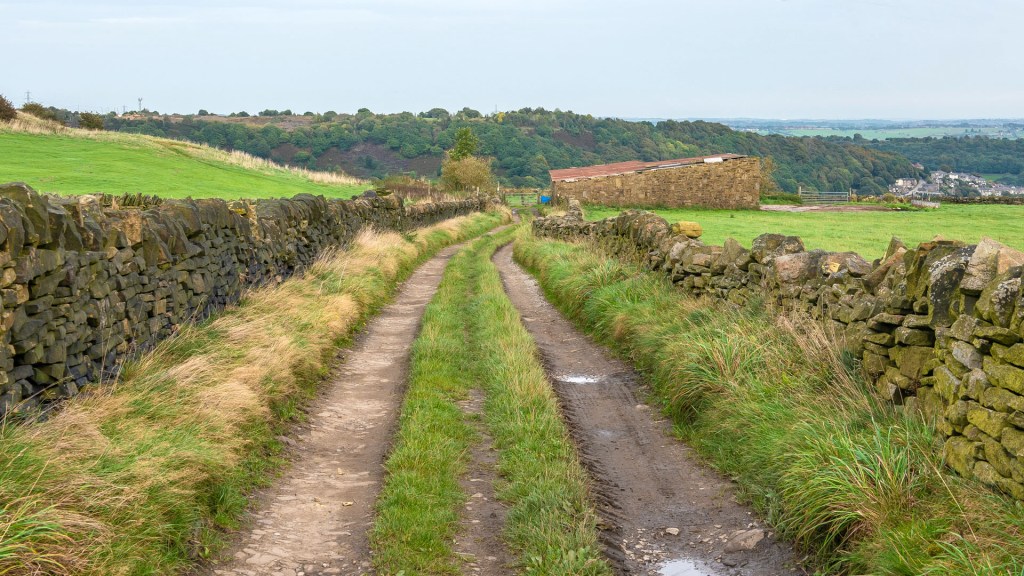
High Sunderland Lane (left), taken from where the gates to High Sunderland Hall once stood. The modern town centre of Halifax can be seen to the right.
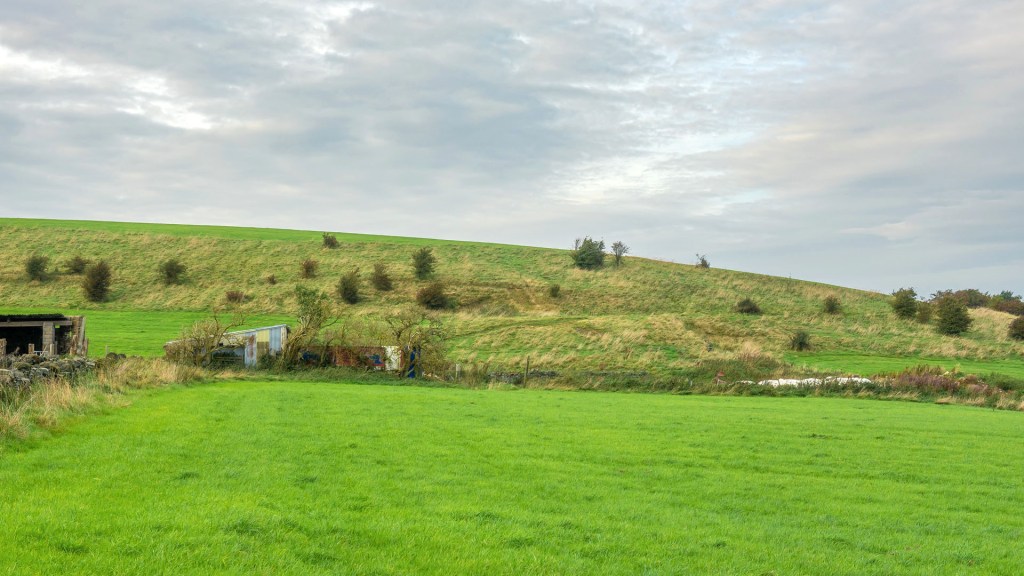
Over the brow of the hill, a small cottage once stood where the farm building is now and directly beyond that, the side of the hall would have been visible.
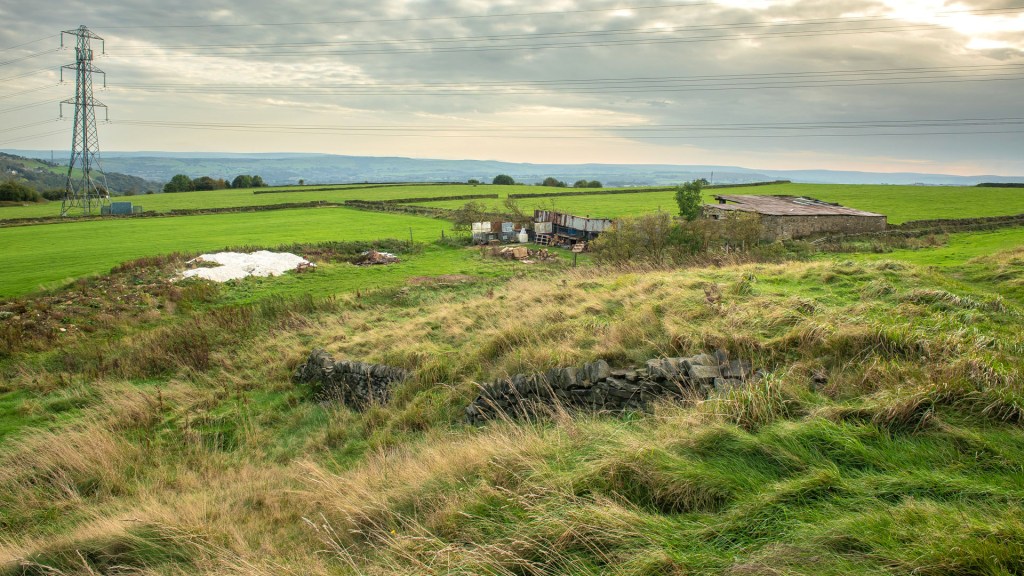
Taken from what was the back of the hall, the building stood where the small area of grass and rubble are to the left, on a right-angled bend in the lane. The high, exposed location is an obvious link to Wuthering Heights.
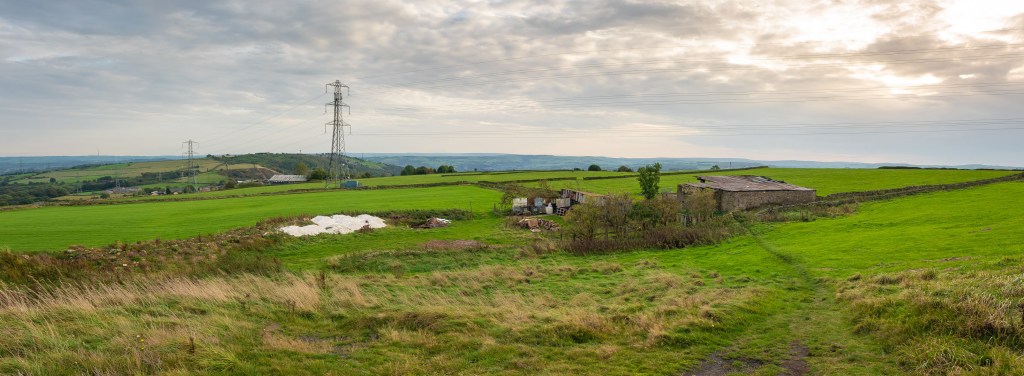

Heading on down the lane, past the bend, and looking back, the hall would have been facing this way on the right (square-on in the image below).
For more information about High Sunderland Hall and to see what it actually looked like, take a look at Kate Lycett’s fascinating blog post:
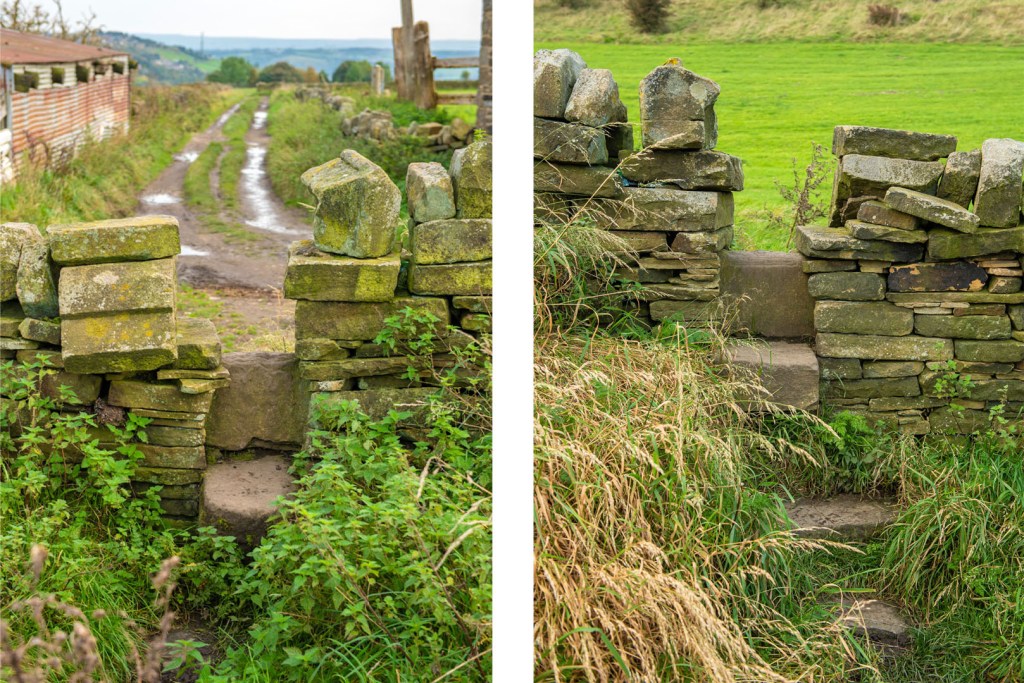
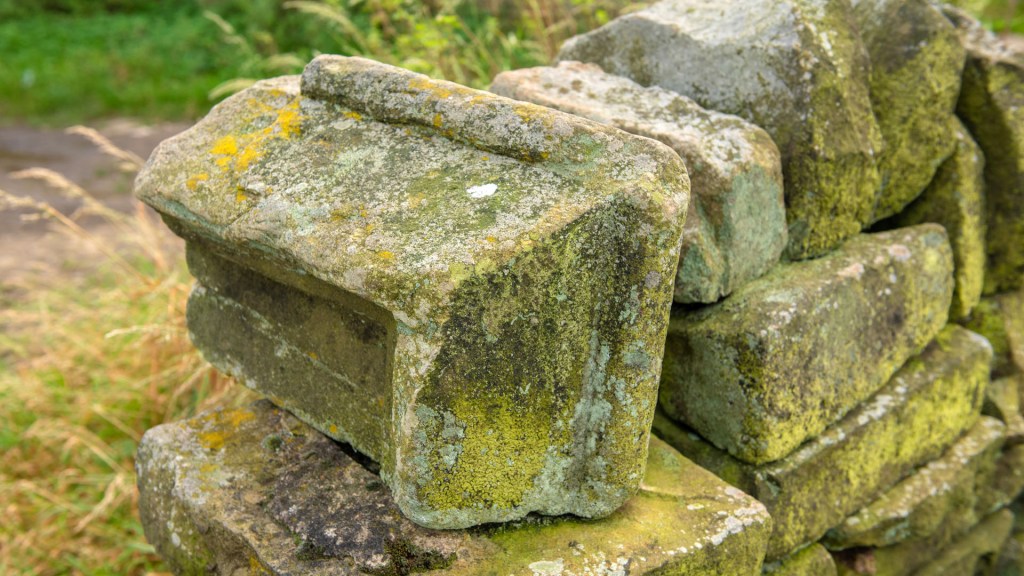
Very little remains to show that the hall was ever here. Most of the stone was sold, including the gothic figures (many of which are now at Shibden Hall) but the stile over the wall on the corner of the lane contains this fragment, which I believe is part of the crenellations that ran around the top of the building.
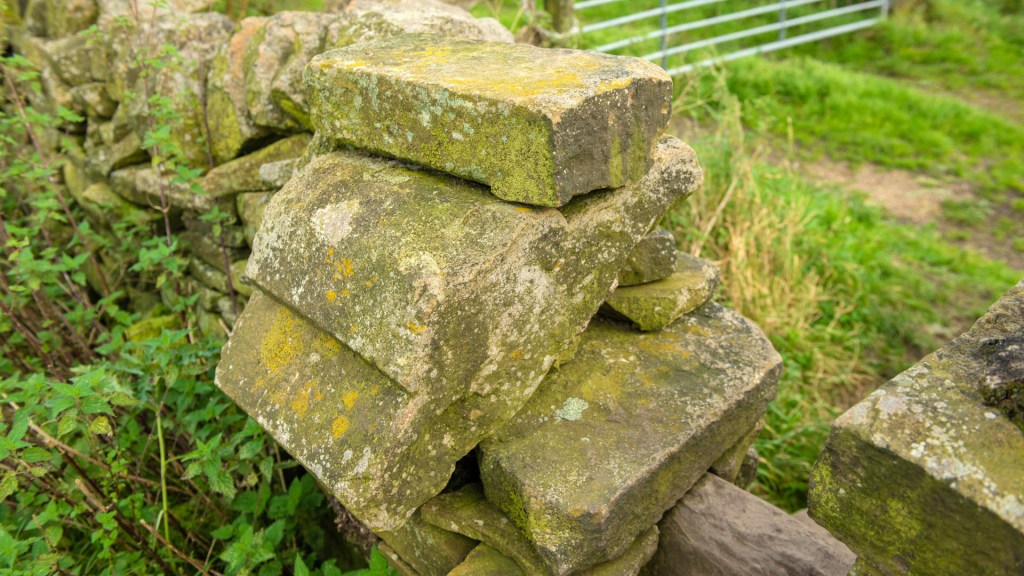
The two top pieces on the other side of the stile are obviously part of the building too. the larger one looks like it could have been part of the roof.
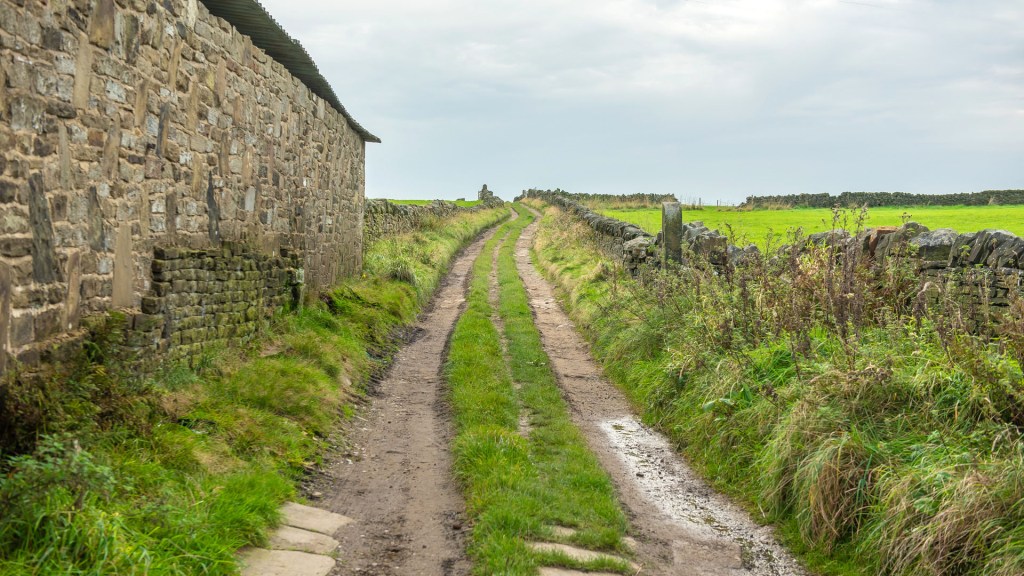
Looking back along the lane, the remains of the cottage can be seen built into the wall of the barn.
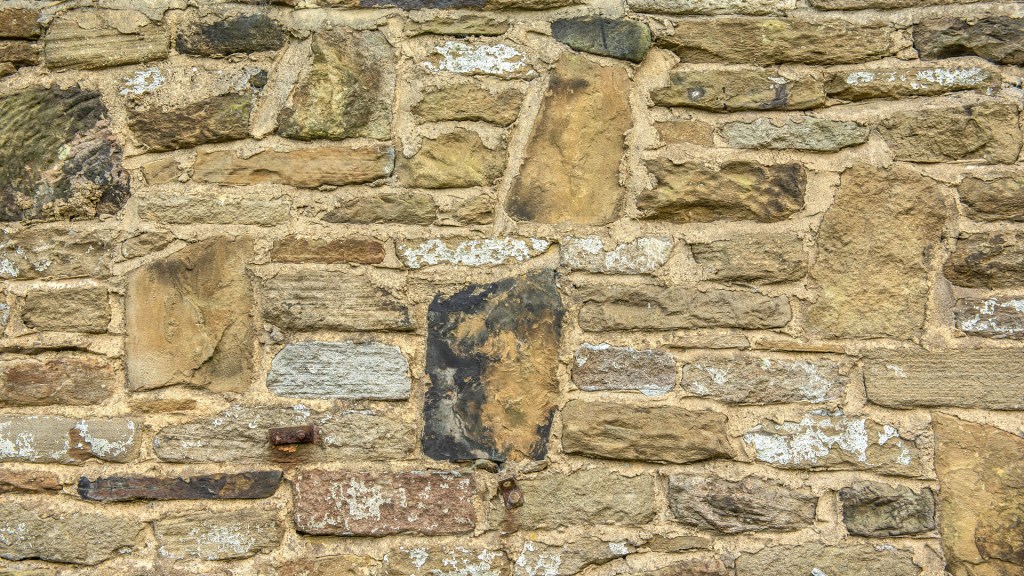
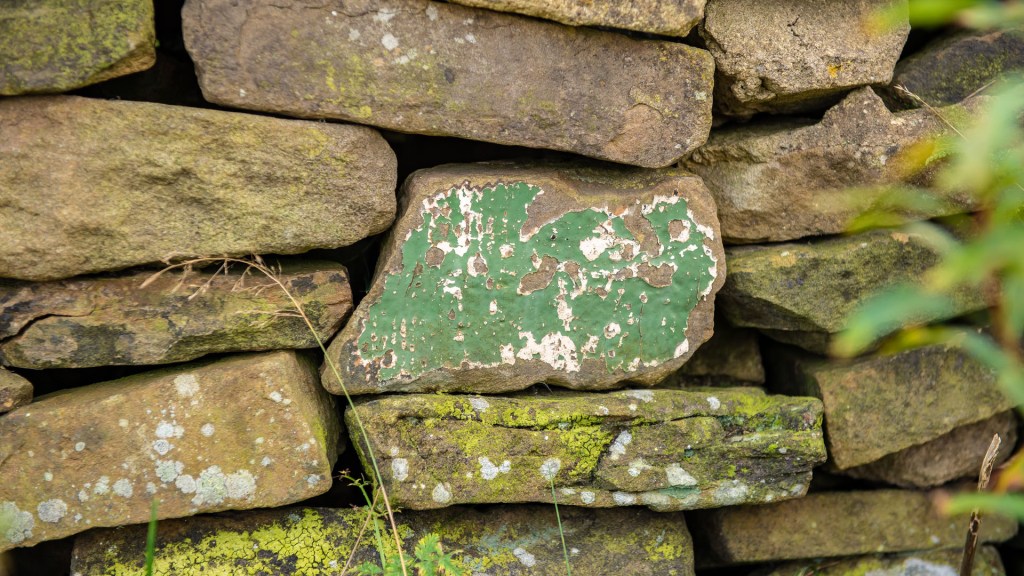
Closer inspection of the barn wall reveals many re-used whitewashed stones, which I believe, from seeing early 20th century aerial photos of the area, were originally from the cottage.
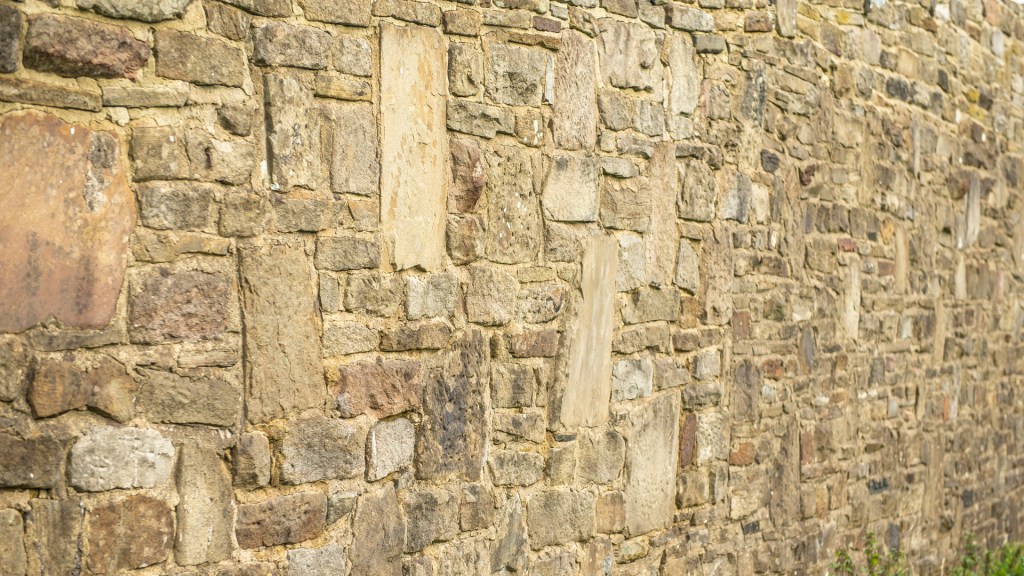
The larger stones could possibly be flagstones from the floor or the garden of the hall.
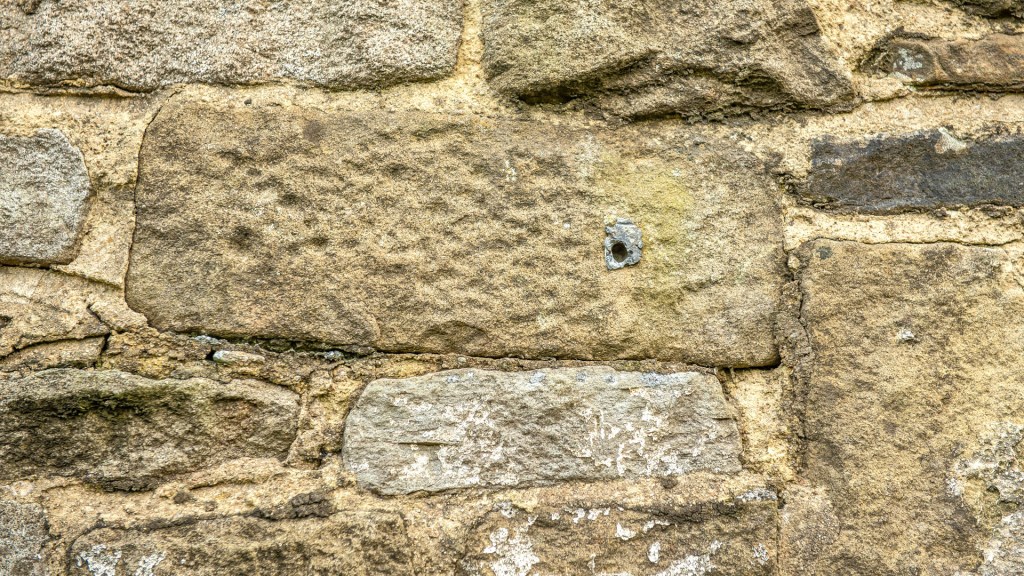

Many of the stones in the southern lane wall have mortar attached and some have paint on them. The wall’s construction is very loose and amateurish compared with the wall on the north side of the lane.
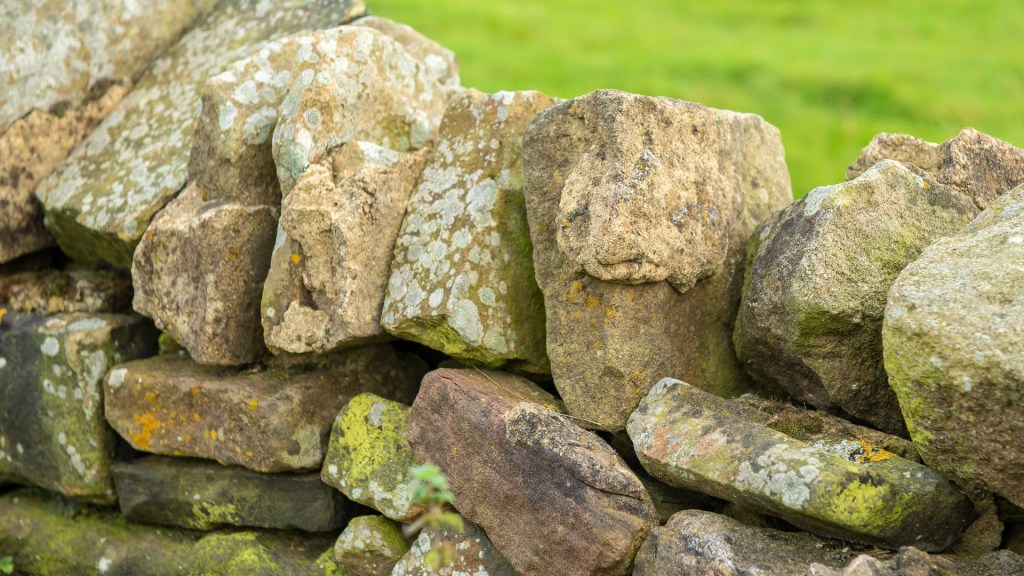
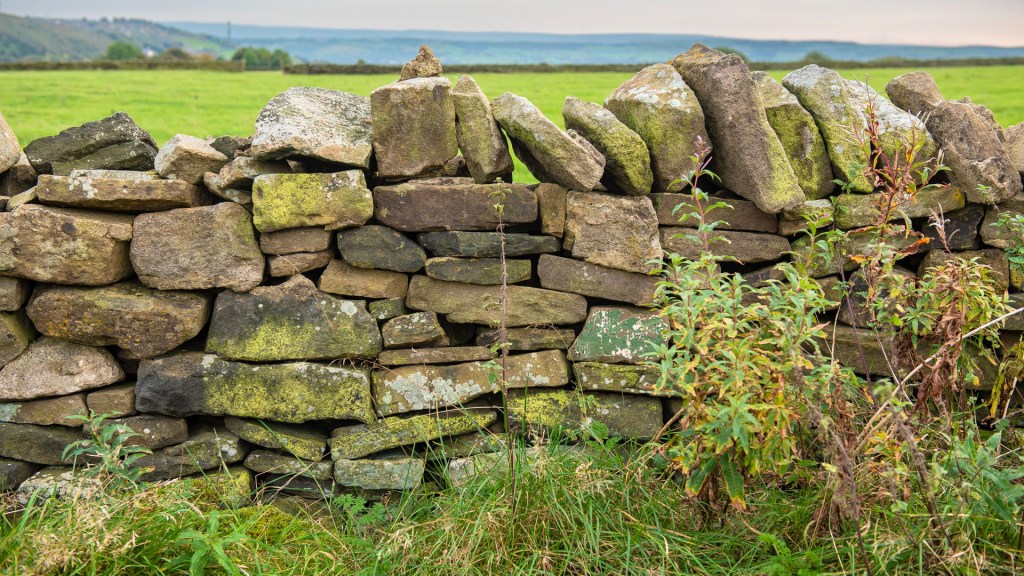
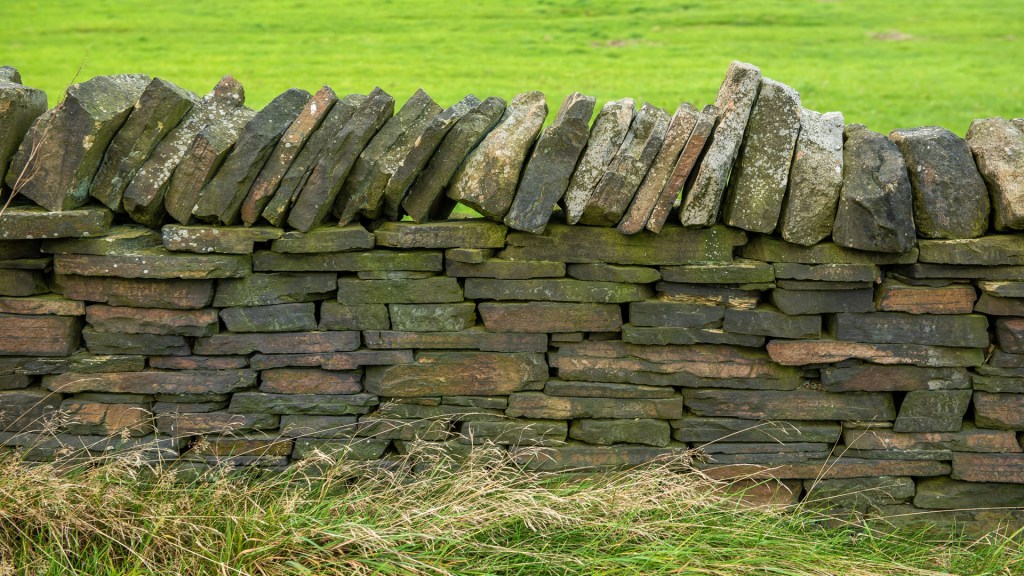
The much neater north wall of the lane
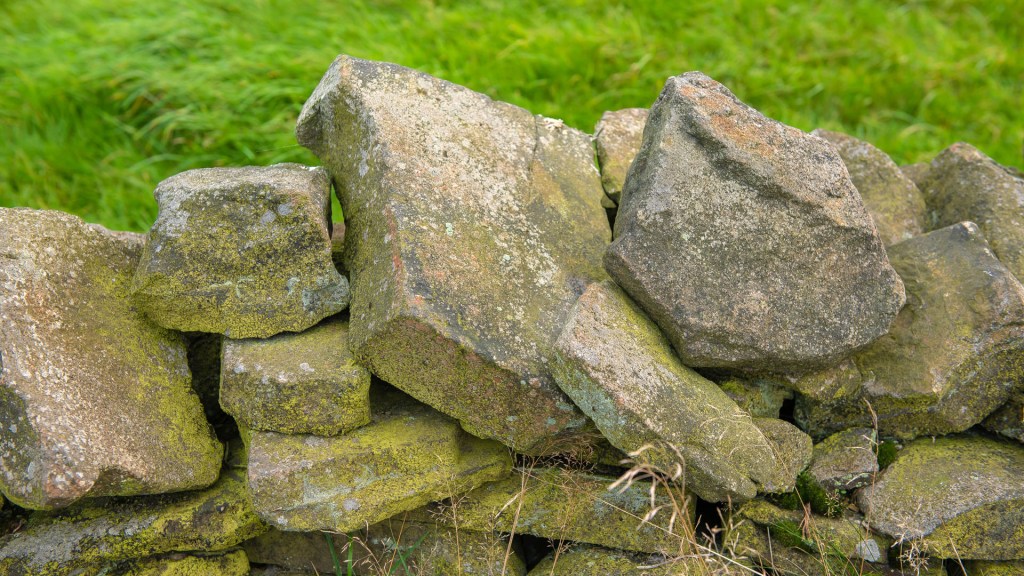
Two more shaped stones, probably from an archway.
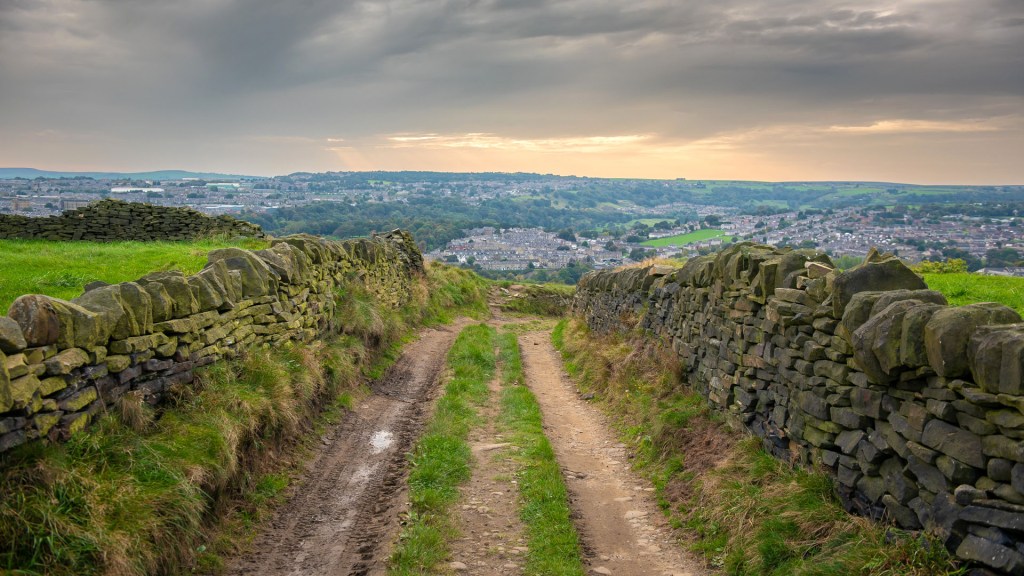
Heading west towards Halifax, away from the hall site
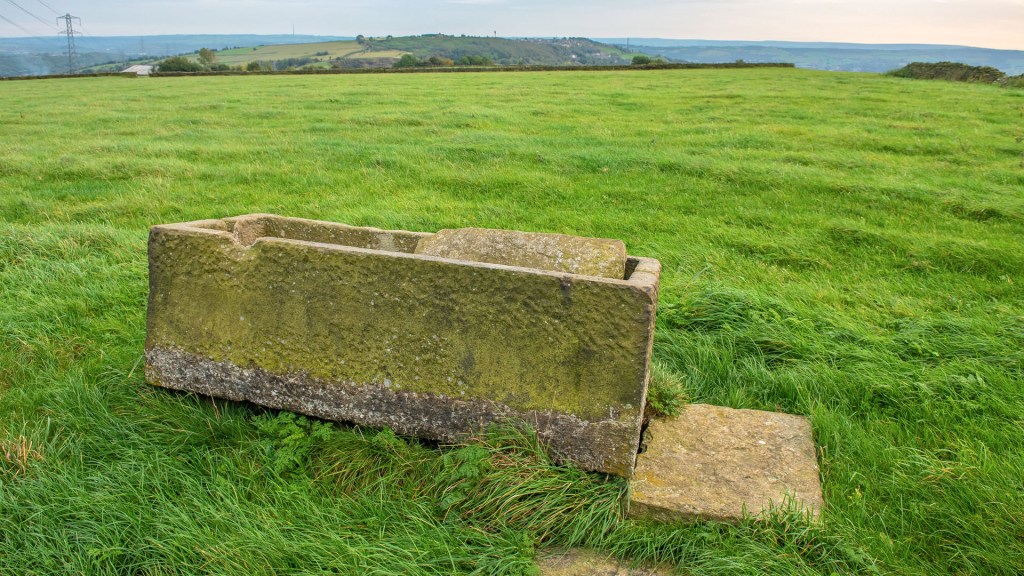
This rather nice stone water trough sits close to the site of the hall.
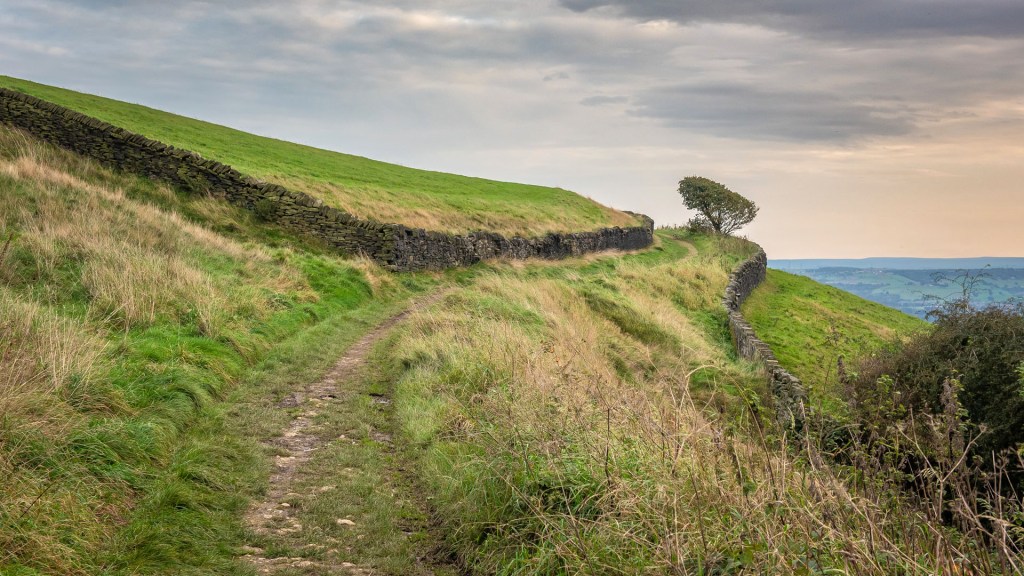
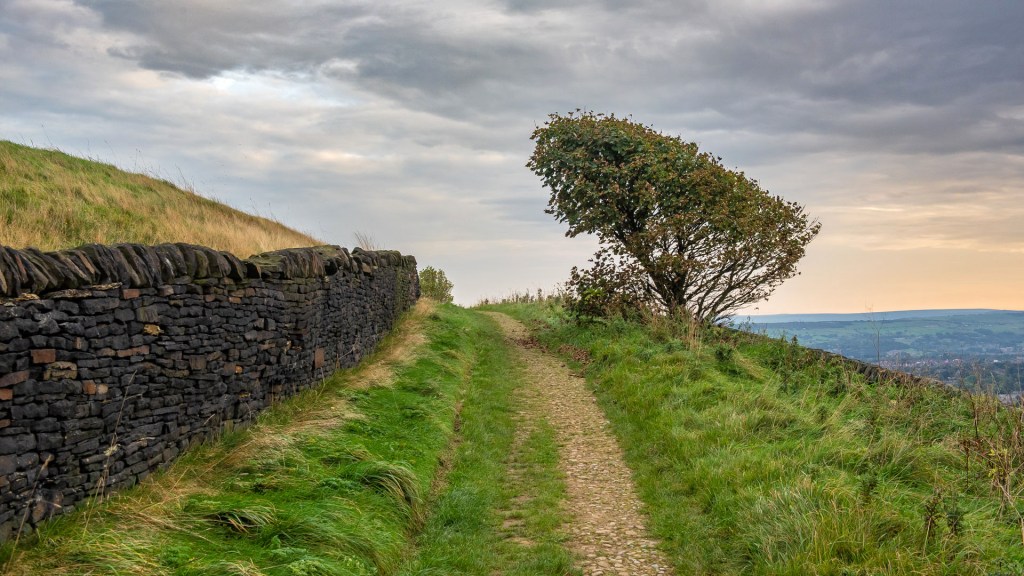
Hollin Greaves Lane, close to where it meets High Sunderland Lane. The way the lone sycamore has been sculpted by the harsh Pennine weather gives an indication of how high and exposed this site is.
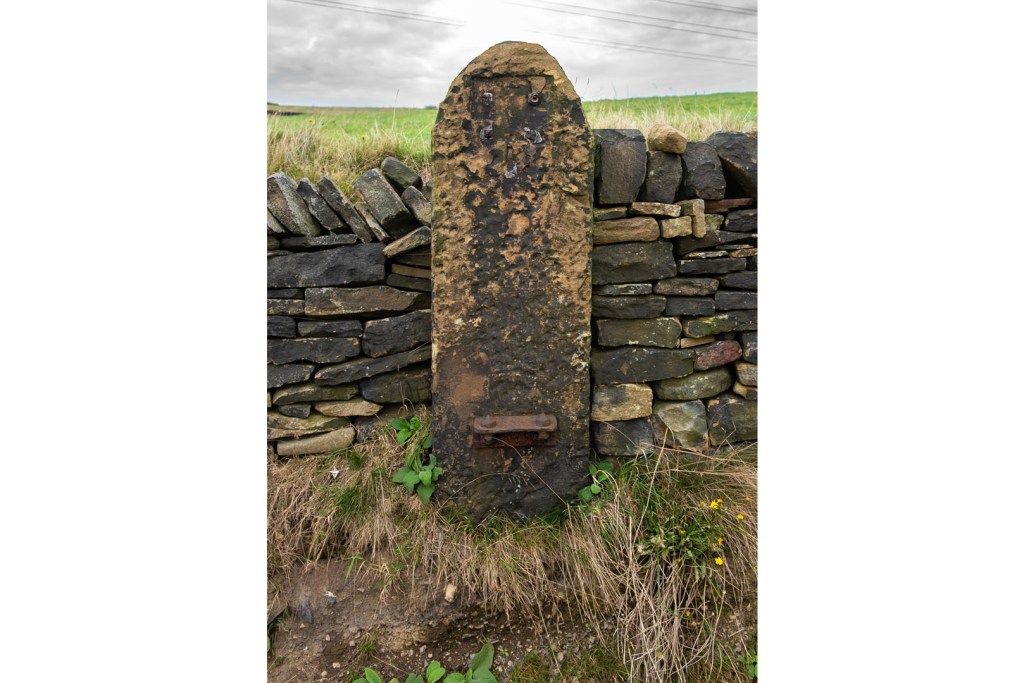
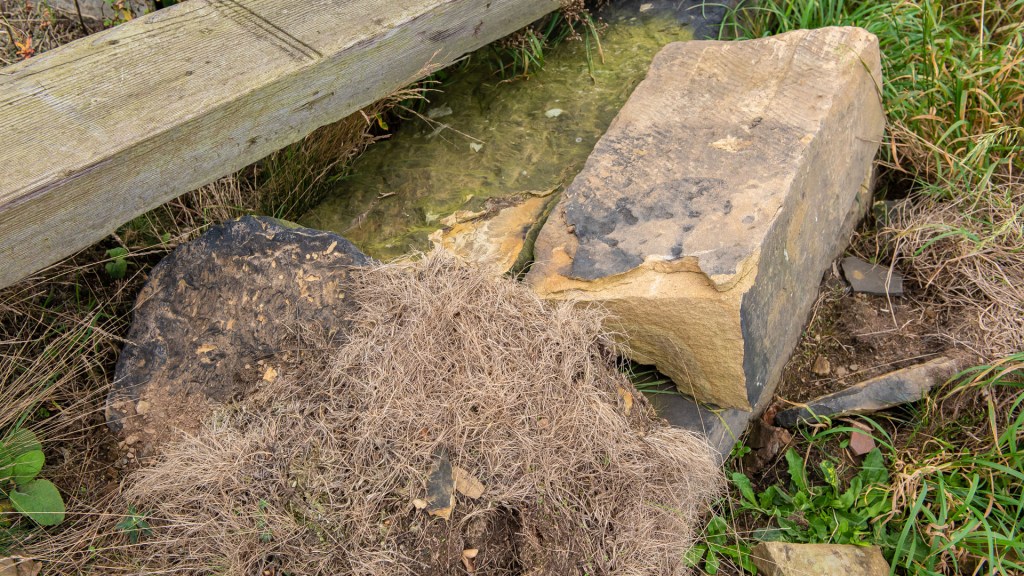
This magnificent block of stone was one of the gateposts at the northwestern end of High Sunderland Lane. Sadly, its opposite number appears to have been recently knocked over and now lies broken by the side of the lane.
So, in conclusion, was High Sunderland Hall the template for Wuthering Heights?
The truth is, no one knows for sure. I’m certainly no expert but it would seem to me that it would be seriously underestimating Emily Bronte’s literary genius to suggest that the house in Wuthering Heights was based on a single building. It seems that, as you’d expect, she took elements that suited the narrative from several locations to make up the whole (and no doubt many details came from her imagination too).
I have to admit, from the photographs I’ve seen, I have to agree with the common consensus and I can well imagine Emily being inspired by the gothic grandeur of High Sunderland. It reflected Heathcliff’s personality perfectly. The description of the carved figures of “griffins and shameless little boys” above the entrance certainly brings High Sunderland to mind and a legend associated with the hall concerning a ghostly severed hand ties in nicely too.
Top Withens gets all the glory these days and, on the face of it, the argument seems pretty compelling, given the remoteness of its location but is that what Emily would have seen in the 1840s? The answer to that is probably not. Top Withens was the last in a string of farms that stretched from Haworth and Stanbury out onto the moors and there were numerous stone quarries along the way too. There is no doubting that it can be bleak up there for quite a bit of the year but the fact that the farm is a ruin significantly adds to the bleakness and it’s worth remembering that in the 1840s, it wasn’t anywhere near as isolated as it appears today. Middle Withens Farm was literally a stone’s throw down the hill and Lower Withens not much further on from that. The stone plaque placed on the building by the Brontë Society is renowned for being somewhat lukewarm in its appraisal of the location’s links to the book, primarily because the building itself was nothing like Emily’s description of Wuthering Heights.
Playing Devil’s advocate, without wishing to undermine the undoubted mystique that surrounds the place, maybe it’s all a bit convenient. Top Withens is within walking distance of the tourist Mecca of Haworth, whereas High Sunderland is some distance away and, frankly, there isn’t much to see there now.
Emily is believed to have become acquainted with High Sunderland when she was teaching in Southowram, about a mile away, (although I’m not sure if there is any definitive evidence that she actually visited).
The site is also now surrounded by farmland and there are plenty of reminders of the 21st century to be seen up there, such as the line of electricity pylons, and the town of Halifax has crept almost up to the end of High Sunderland Lane. It really doesn’t feel very remote and you have crank your imagination up to 10 to be able to visualise what it might have been like 180 years ago now that the house had gone.
With my relatively limited understanding of the book but a reasonable knowledge of the area, I’m inclined to believe it may have been the distant views of Top Withens, probably from Penistone Hill, that may have prompted the romantic idea of it being a remote, foreboding place, rather than the experience of visiting the farm itself. Even in its current ruined state, it is a clearly visible landmark, just below the horizon, from innumerable locations in the area and would have been a familiar sight to the Brontë family.
It’s just such a shame High Sunderland is no longer there to allow us to experience the same connection to Emily’s world as we get at Top Withens.
For more information about Brontë Country, the Brontë family, local history and traditions, where to stay, eat and drink, go to www.bronte-country.com or www.haworth-village.co.uk
 Bronte Country Landscapes
Leave a comment